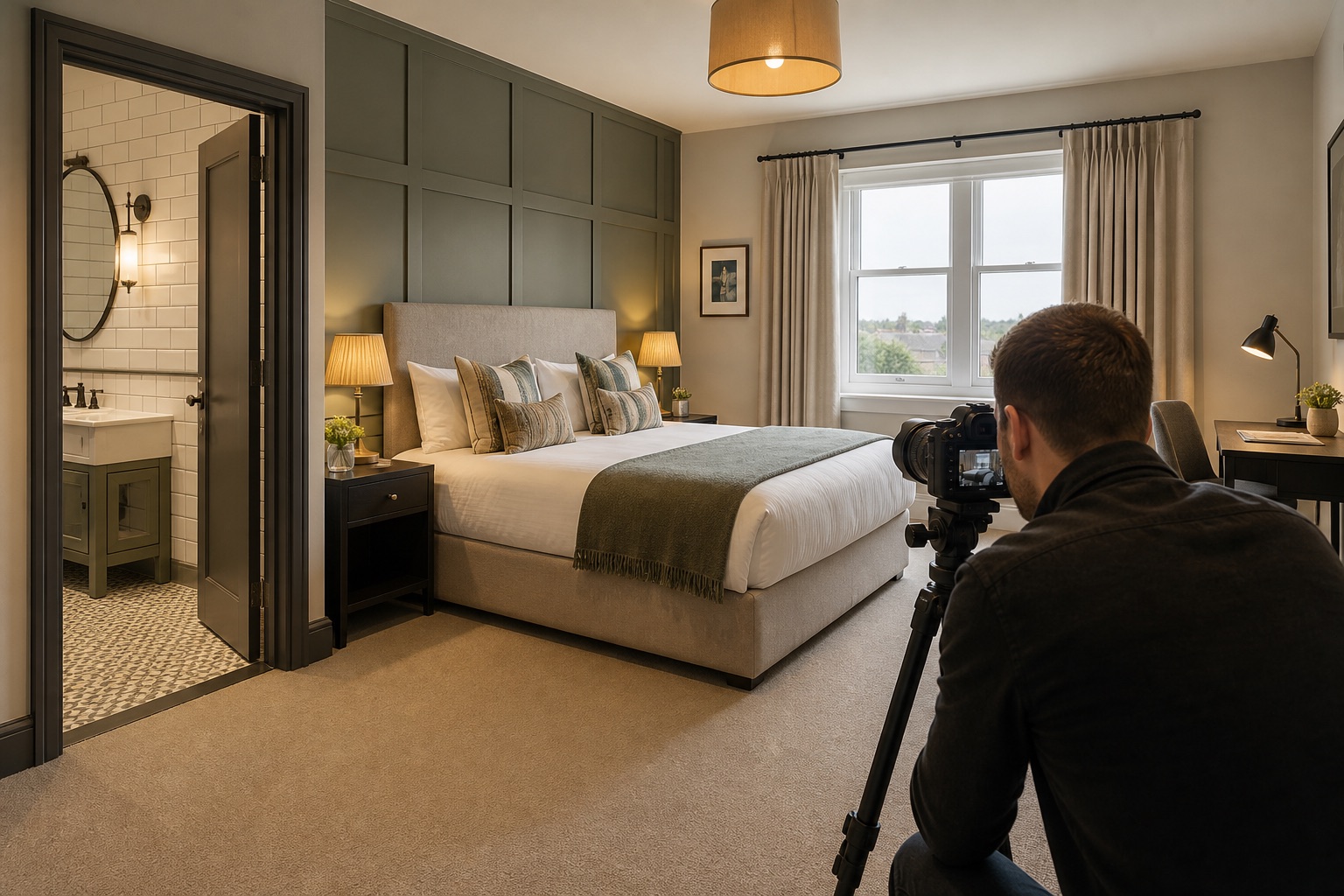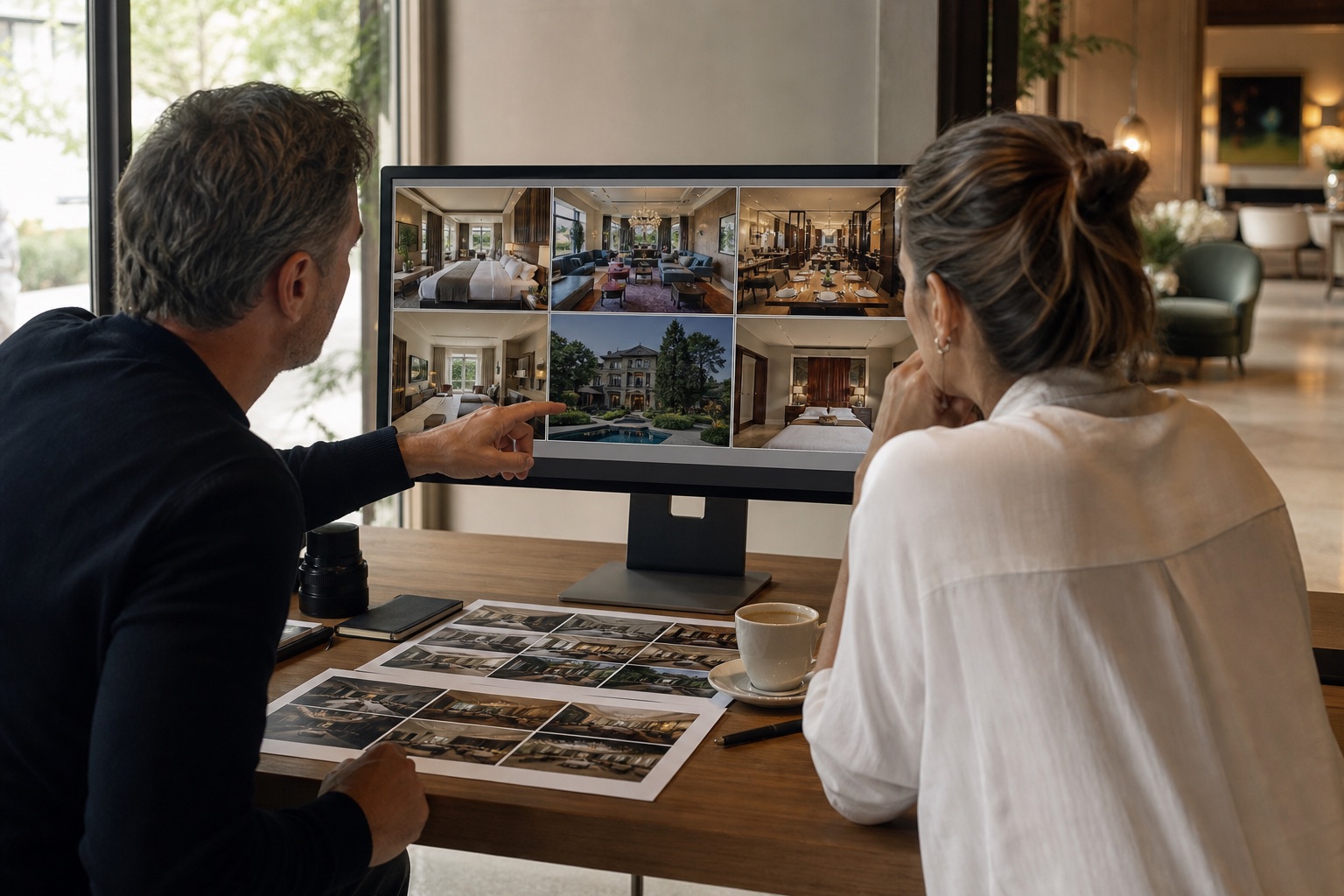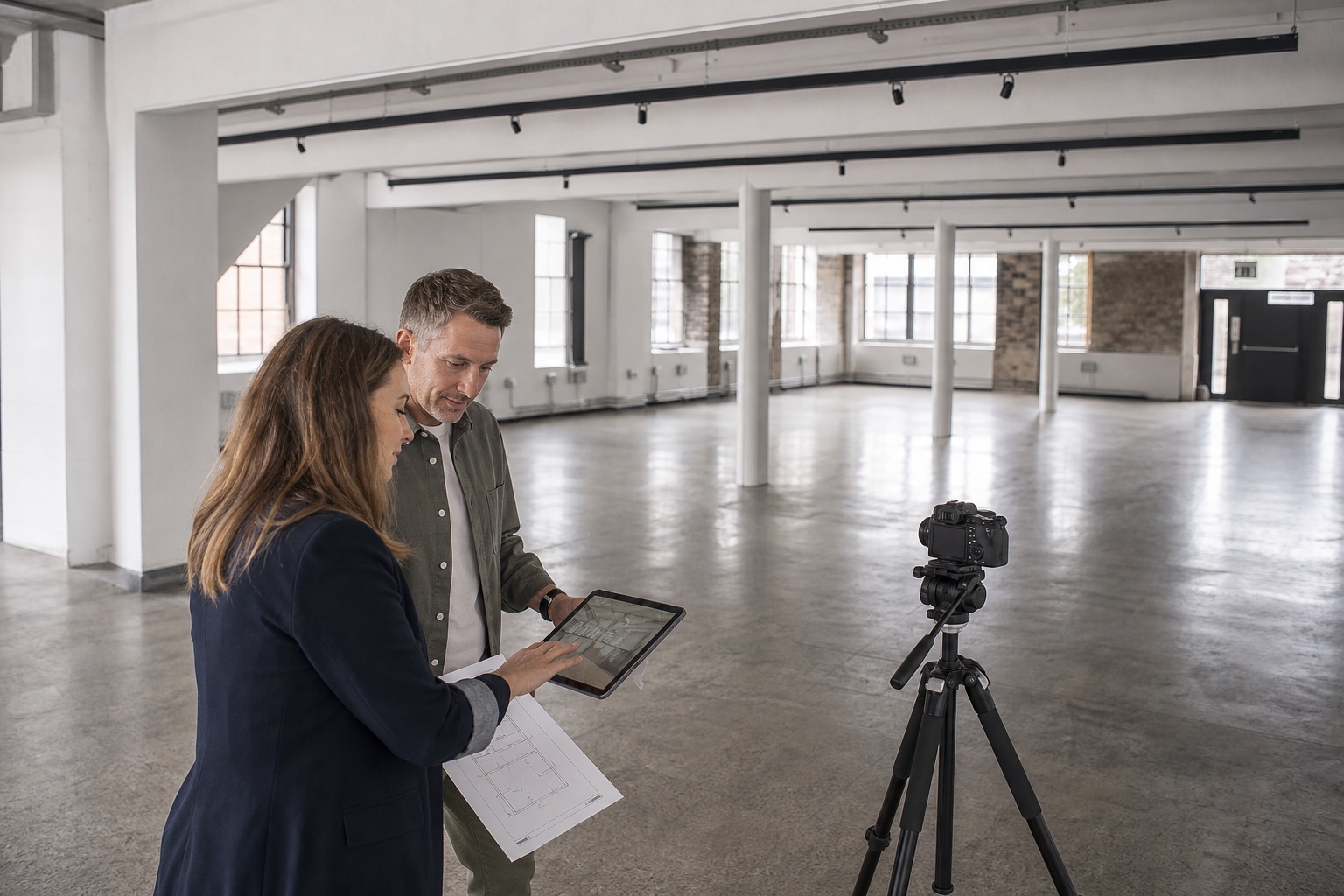
Amenities often justify the choice between two similar hotels, yet they are commonly photographed as isolated design details. Guests need to see the whole facility, understand its scale, and picture when they would use it.
For each amenity, create a factual set and an experiential set. The factual images explain what exists. The experiential images communicate the mood, service, and type of stay it supports.
The short version
- Capture a clear facility view before lifestyle scenes.
- Show scale, access, and what is included.
- Use people only where they clarify the experience.
- Keep operating conditions and seasonal access accurate.
01
Create the factual view first
Choose an angle that shows the shape and main features of the amenity. For a pool, include the water, seating, and surrounding area. For a gym, show the range of equipment and available floor space. For a spa, explain the treatment or relaxation spaces without relying on a candle close-up.
This image is the evidence a guest needs before the more expressive campaign images.
02
Show the amenity in use without staging chaos
A small number of well-directed people can establish scale and purpose. Give each person a believable activity and keep them from blocking important features. In a lounge, one conversation and one solo traveller may communicate more than a generic crowd.
Use real staff where appropriate and obtain releases. Avoid implying a service level, entertainment programme, or guest volume that the property does not provide.
03
Photograph service as a sequence
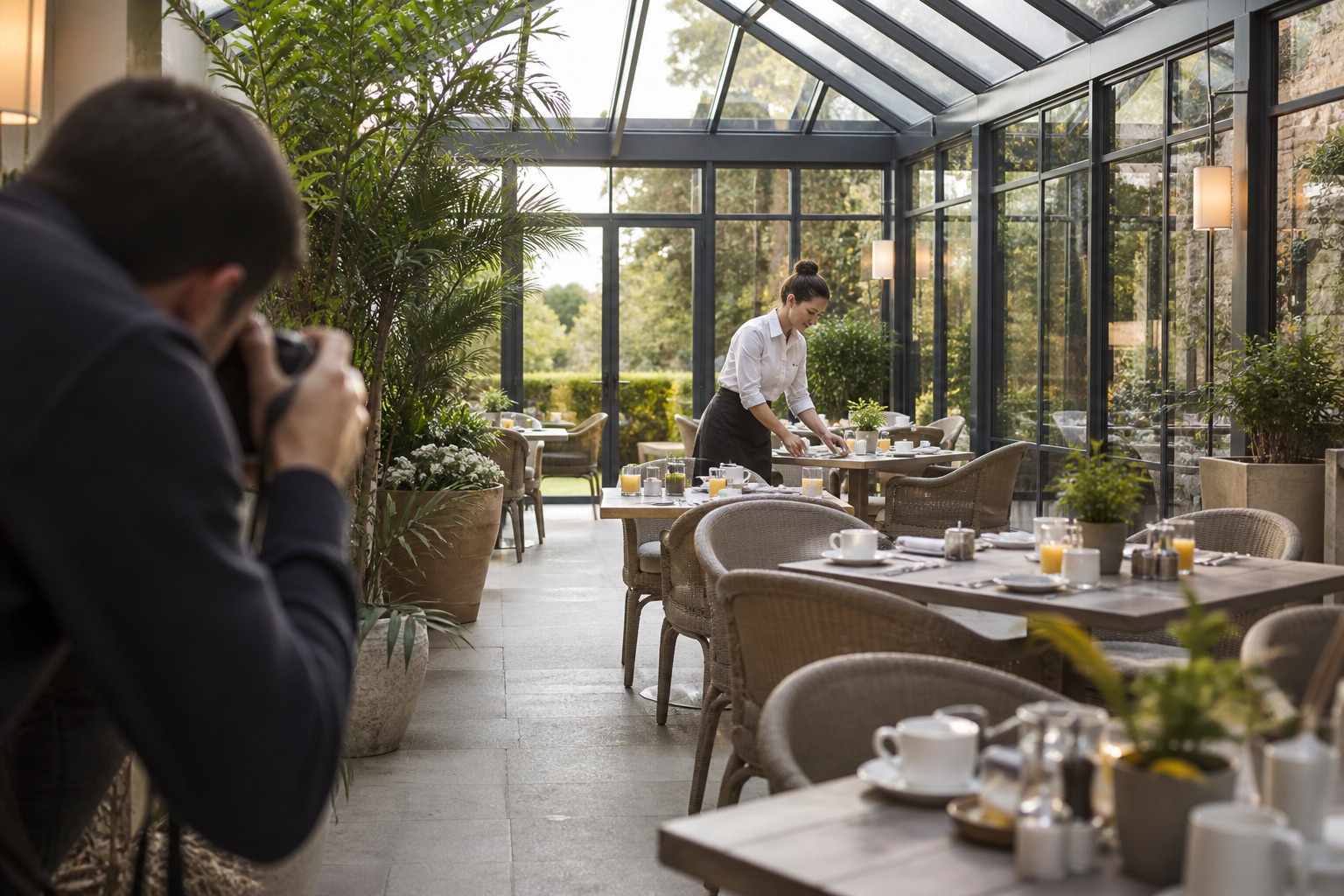
For restaurants, bars, spas, and meeting services, capture arrival, welcome, preparation, delivery, and use. These small sequences give marketing teams flexible stories for landing pages, packages, and social content.
Keep branding, uniforms, menus, and food presentation current. Service photography becomes obsolete quickly when operational details change.
04
Include access and practical context
Show where the amenity sits within the property when this matters. Photograph entrances, step-free routes, changing areas, seating, shade, and equipment that guests may need to assess.
Captions or nearby copy should state opening periods, age restrictions, booking requirements, and whether an amenity is included. Images should inspire interest without carrying information they cannot prove.
05
Plan for different audiences
A quiet pool image may serve a wellness package while a family scene serves school-holiday marketing. A meeting room may need theatre, boardroom, dinner, and reception setups. Build variations around real uses rather than asking one setup to represent every audience.
Keep a neutral master set available so the hotel is not locked into one campaign or demographic.
Further reading
Common questions
Questions people ask before they start
Should hotel amenity photos include people?
Include people when they help explain scale, atmosphere, or service, but also keep clear empty-space images that document the facility itself.
How should a hotel pool be photographed?
Capture the full pool and surrounding seating first, then add useful angles, access details, views, and carefully directed lifestyle scenes. State seasonal opening information in nearby copy.
Can an empty hotel amenity look appealing?
Yes. Strong light, a clear composition, thoughtful preparation, and visible practical details can make the facility attractive. Lifestyle versions can then add another layer for campaigns.
About this guide
Written by the Instant Photoshoot Editorial Team
We create practical guidance for the people responsible for property and hospitality images. Our approach separates factual listing photography from the additional lifestyle and campaign scenes a marketing team may want to create.
Read how we create and review guides